Amplification Guide
Powering the CrystalCore™ Driver
New to voltage-driven headphones? Read why Vrms matters.
The CrystalCore™ driver in the Genesis One (1 and 1S) is a departure from traditional dynamic or planar magnetic designs. Architecturally, it behaves more like a capacitor than a resistor.
-
Like traditional dynamic headphones, the Genesis One's impedance is not fixed — but the way it varies is fundamentally different. Because the CrystalCore™ driver behaves as a capacitor rather than a resistor, its impedance shifts dramatically across the frequency range — by a full order of magnitude from bass to treble, far more than a dynamic driver's comparatively gentle variation.
With a driver capacitance of approximately 170 nF, impedance can be estimated using:
Z = 1 / (2πfC)
For example:
At 100 Hz, Z ≈ 9.4 kΩ
At 1 kHz, Z ≈ 940 Ω
At 10 kHz, Z ≈ 94 Ω
This is a fundamentally different load profile than a dynamic driver's relatively stable impedance curve — which is exactly why amplifier voltage swing, not just power output, matters so much for driving the Genesis One properly.
-
High Impedance: Typically well above 600 Ω and frequency-dependent.
Voltage-Driven: Unlike traditional drivers that thrive on current, the CrystalCore™ requires a high voltage swing to reach its full potential.
Efficiency: It is remarkably efficient, consuming very little current or total power, provided the voltage overhead is available.
-
For the best listening experience, we recommend pairing the Genesis One Series with amplifiers capable of delivering a clean, high voltage swing—ideally 20 Vrms (with a minimum of 10 Vrms).
Recommended Topologies: Class A, Class AB, Tube, and OTL designs are excellent matches.
Speaker Amplifiers: High-quality speaker amps (Class A/AB) often provide superior performance due to their significant voltage headroom. If your amp features speaker taps, these are often the preferred connection point.
Balanced Output: We strongly recommend using balanced mode whenever available, as it typically provides double the voltage swing of single-ended connections.
Class D Note: Some Class D amplifiers may encounter compatibility issues due to their specific output filtering and voltage delivery characteristics when meeting a capacitive load.
RECOMMENDED PAIRINGS
Additional recommendations added periodically.
Desktop Solid State Amps
-
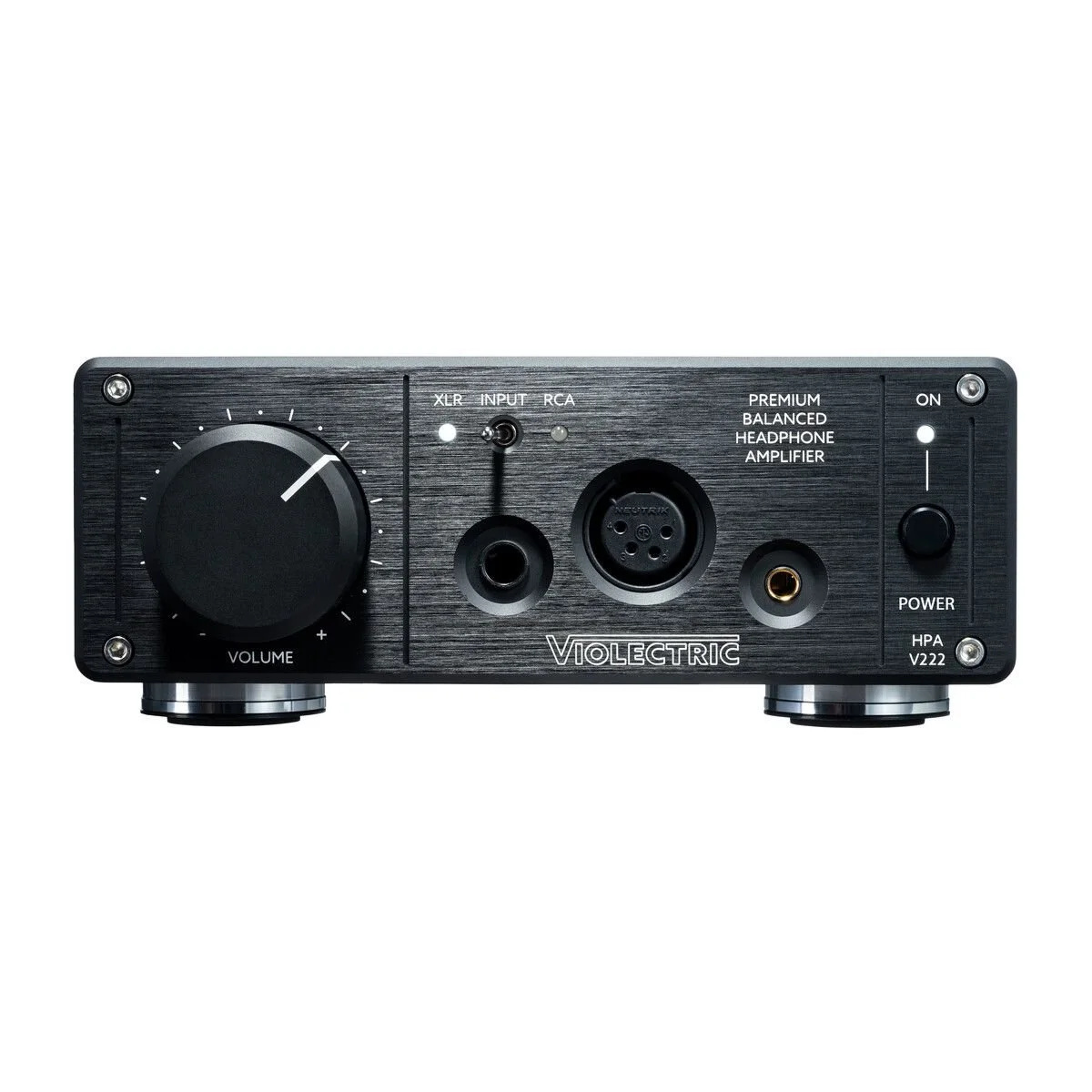
![Violectric HPA V222 headphone amplifier, recommended pairing for Lily Audio Genesis One]()
Violectric HPA (V222, V281, V550)
-
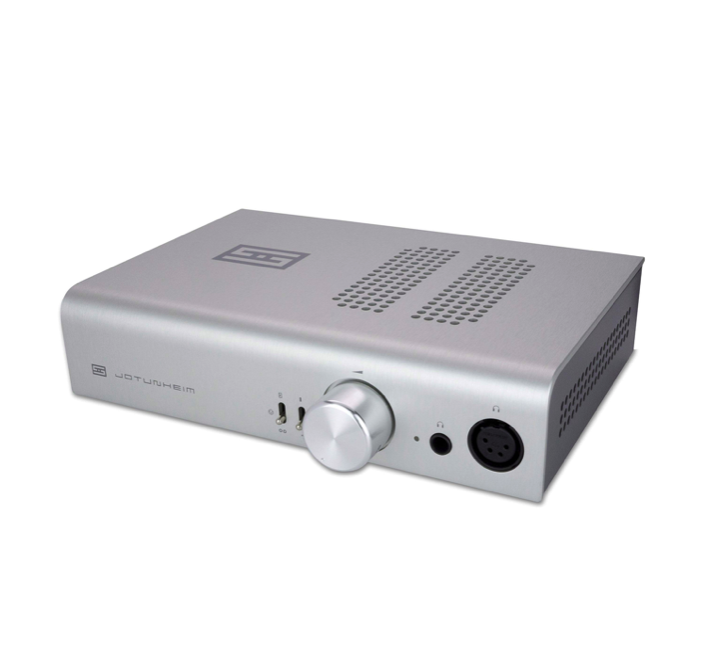
![Schiit Jotunheim 3 headphone amplifier for Lily Audio Genesis One]()
Schiit Jotunheim 3
-
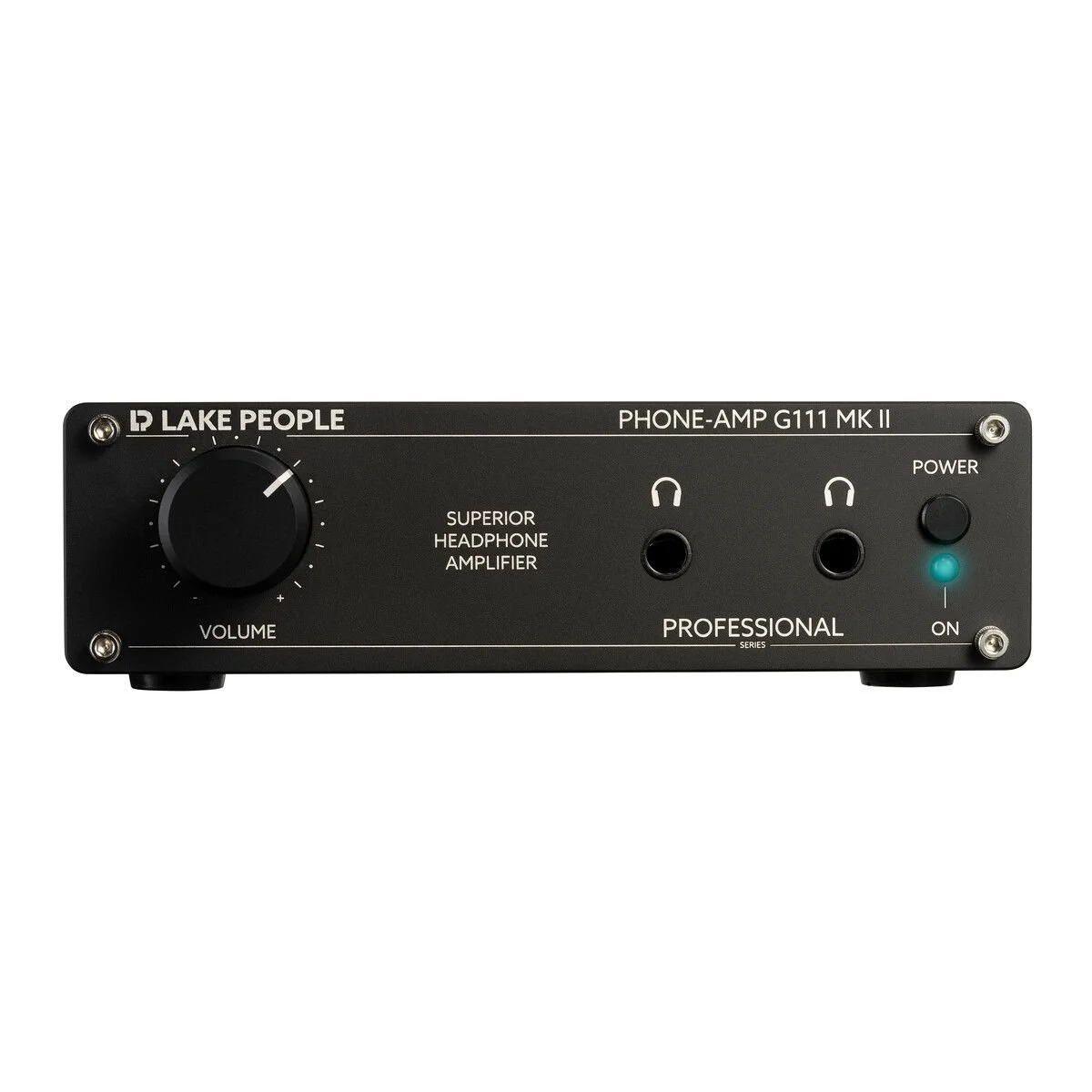
![Lake People G111 MKII headphone amplifier for Lily Audio Genesis One]()
Lake People G111 MKII
-
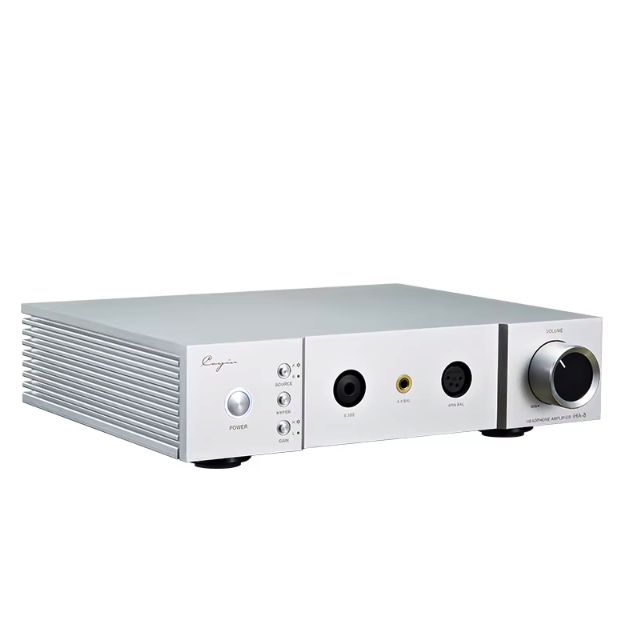
![Cayin iHA-8 headphone amplifier for Lily Audio Genesis One]()
Cayin iHA-8
-
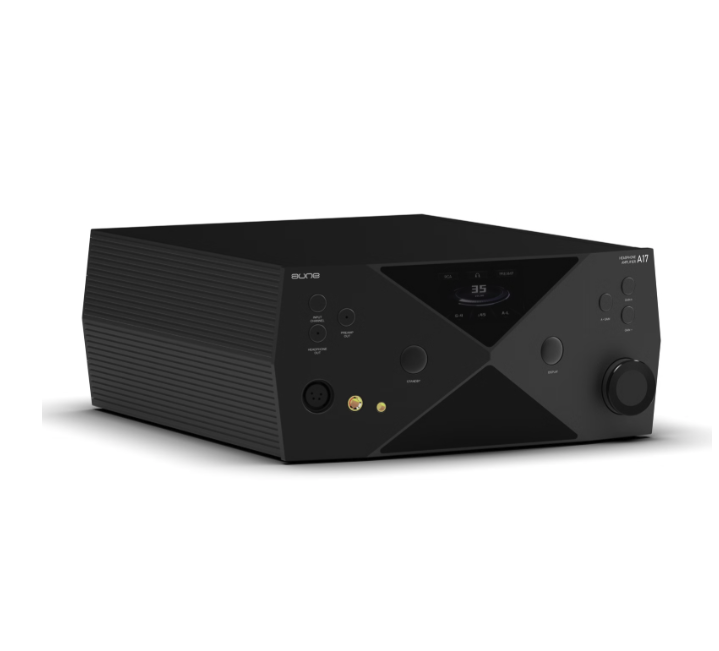
![Aune X17 audio amplifier with a black front panel, digital display, and control knobs.]()
Aune ( A17, S17 Pro EVO, S9C Pro)
-
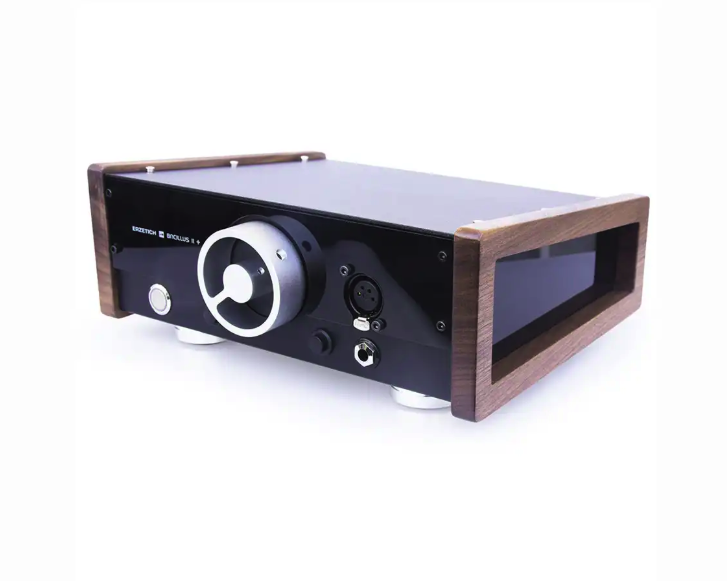
![Erzetich Bacillus II+ headphone amplifier for Lily Audio Genesis One]()
Erzetich Bacillius II+
-
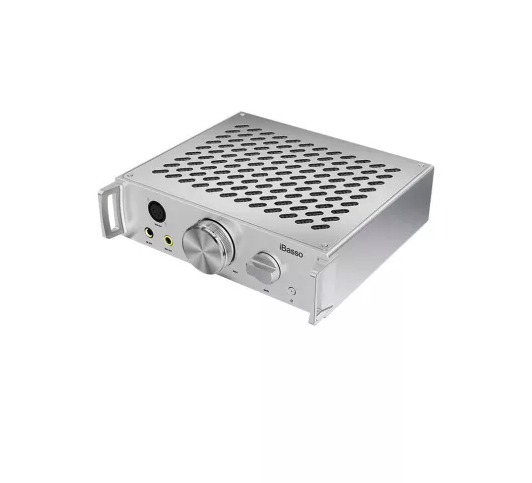
![iBasso Kunlun desktop headphone amplifier for Lily Audio Genesis One]()
IBASSO Kunlun
Tube / OTL
-
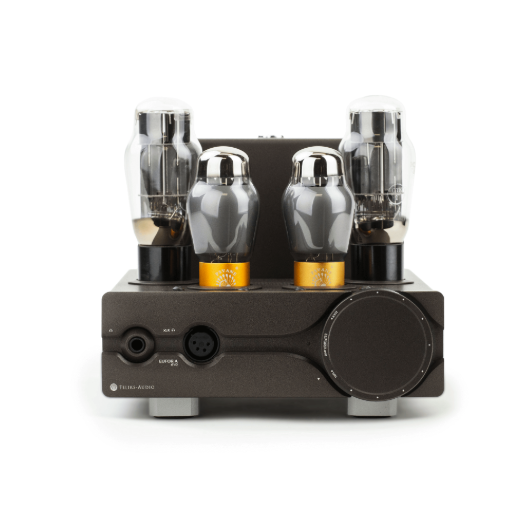
![Feliks Audio Euforia Evo tube headphone amplifier for Lily Audio Genesis One]()
Feliks Audio Euforia Evo
-
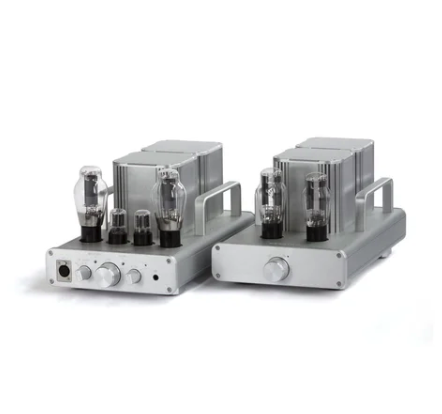
![Woo Audio WA5-LE and WA22 tube headphone amplifiers, recommended pairings for Lily Audio Genesis One]()
Woo Audio (WA5-LE, WA22)
-
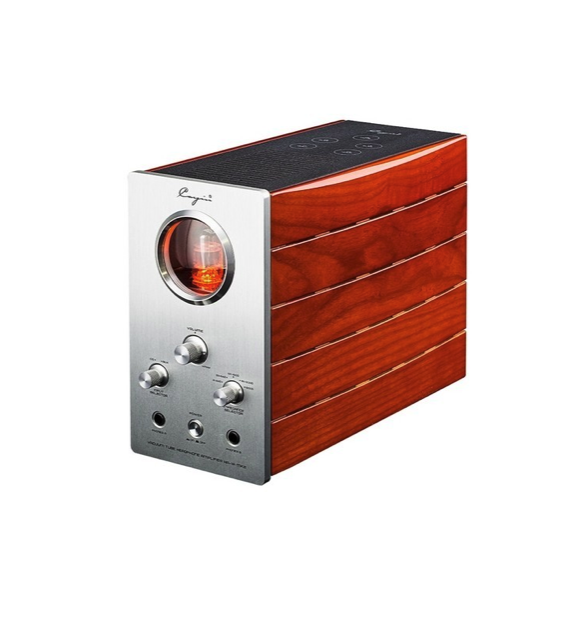
![Cayin HA-1A Mk2 tube headphone amplifier for Lily Audio Genesis One]()
Cayin HA-1A/6A Mk2
Speaker Amps & Specialized
-
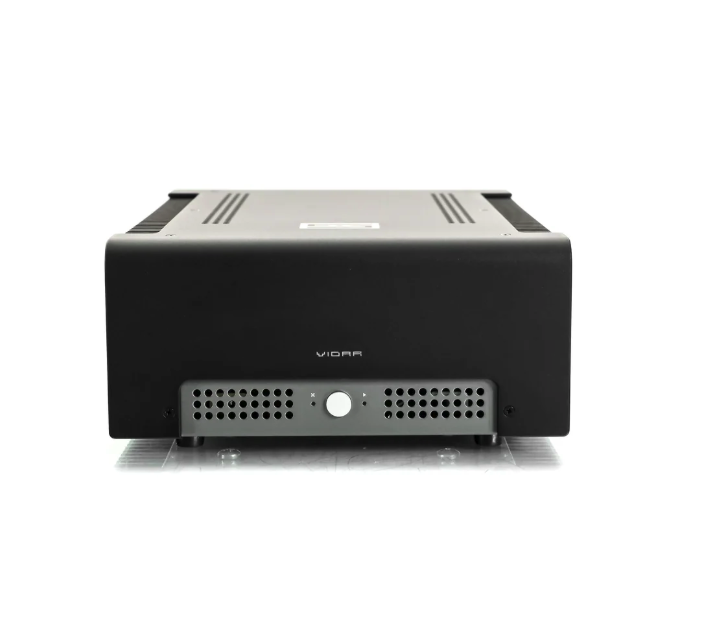
![Schiit Vidar 2F power amplifier for driving Lily Audio Genesis One headphones]()
Schiit Vidar 2F
-
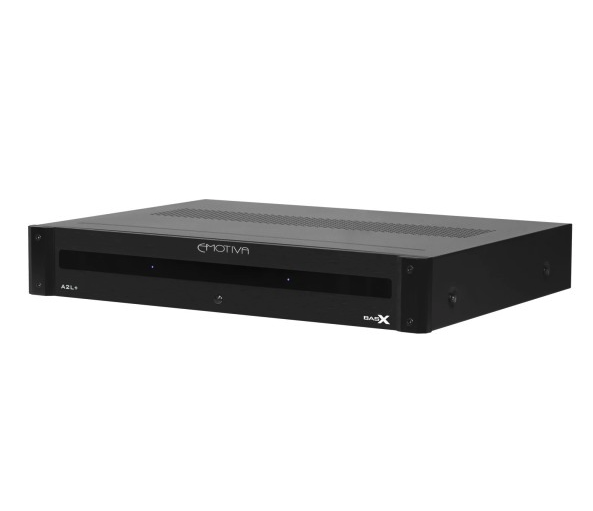
![Emotiva BasX A2L+ power amplifier for driving Lily Audio Genesis One headphones]()
Emotiva BasX (A2L+, A2+)
-
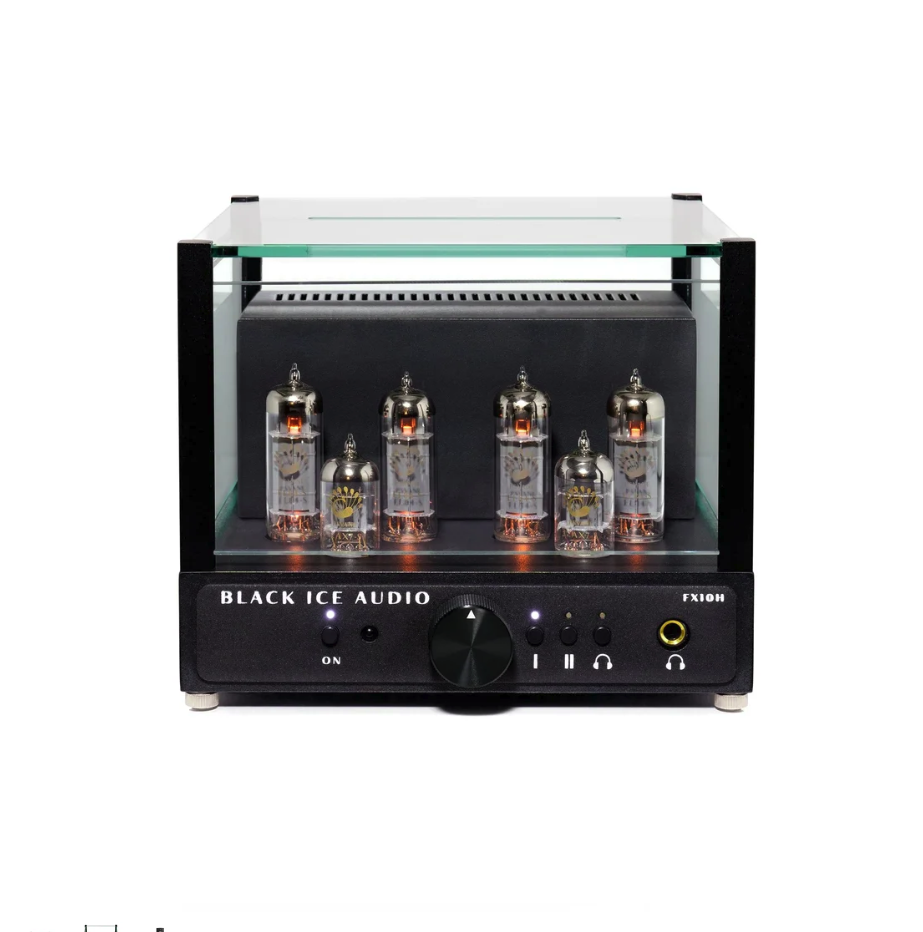
![Black Ice Audio Glass FX10H tube amplifier for Lily Audio Genesis One]()
BIA Glass FX10H
-
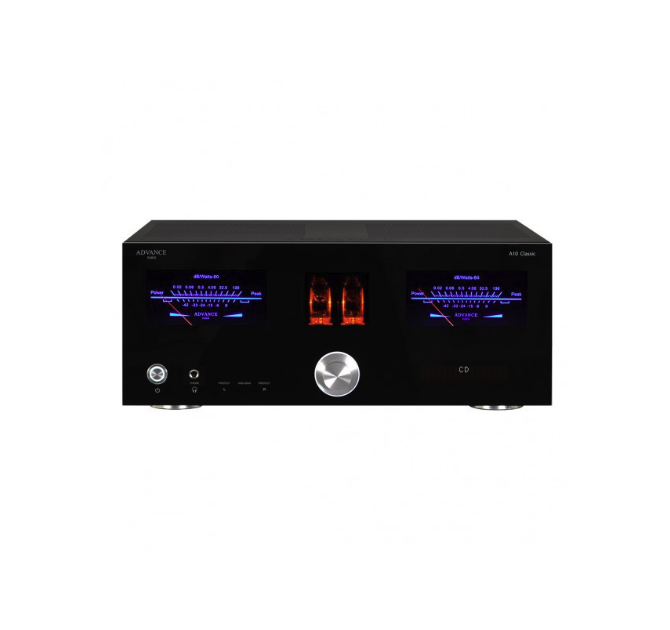
![Advance Paris A10 Classic integrated amplifier for Lily Audio Genesis One]()
Advance Paris A10 Classic
Portable
-
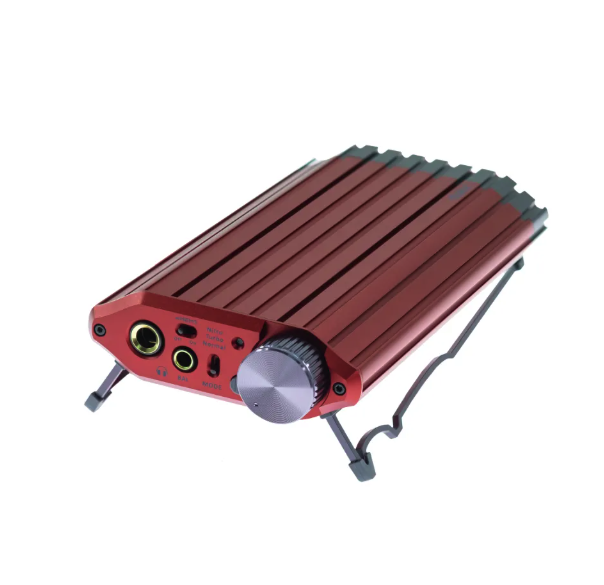
![iFi iDSD Diablo portable DAC and headphone amp for Lily Audio Genesis One]()
iFi iDSD Diablo
-
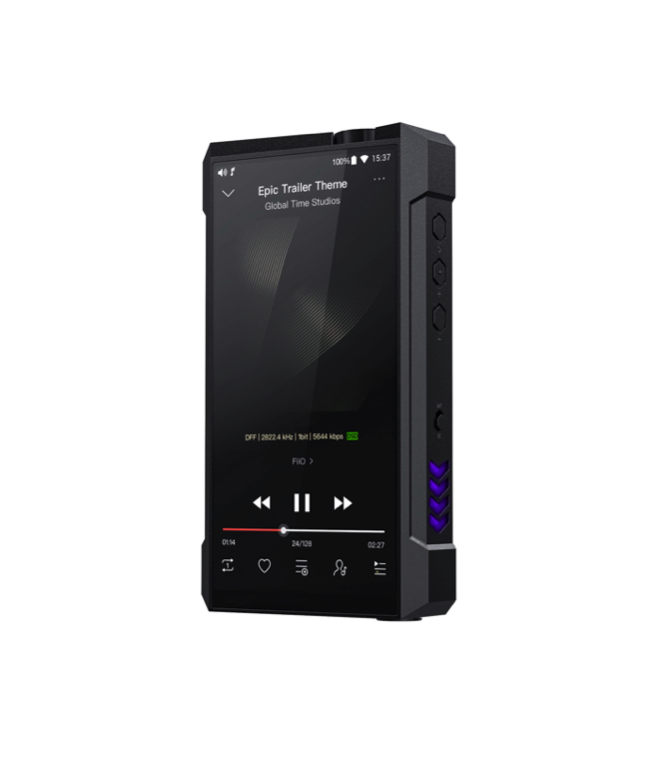
![FiiO M17 digital audio player for Lily Audio Genesis One]()
FiiO M17